A ₹100 Crore AI Infrastructure Order in Navi Mumbai
AI Is No Longer Just Software: India’s Data-Centre Race Is Accelerating
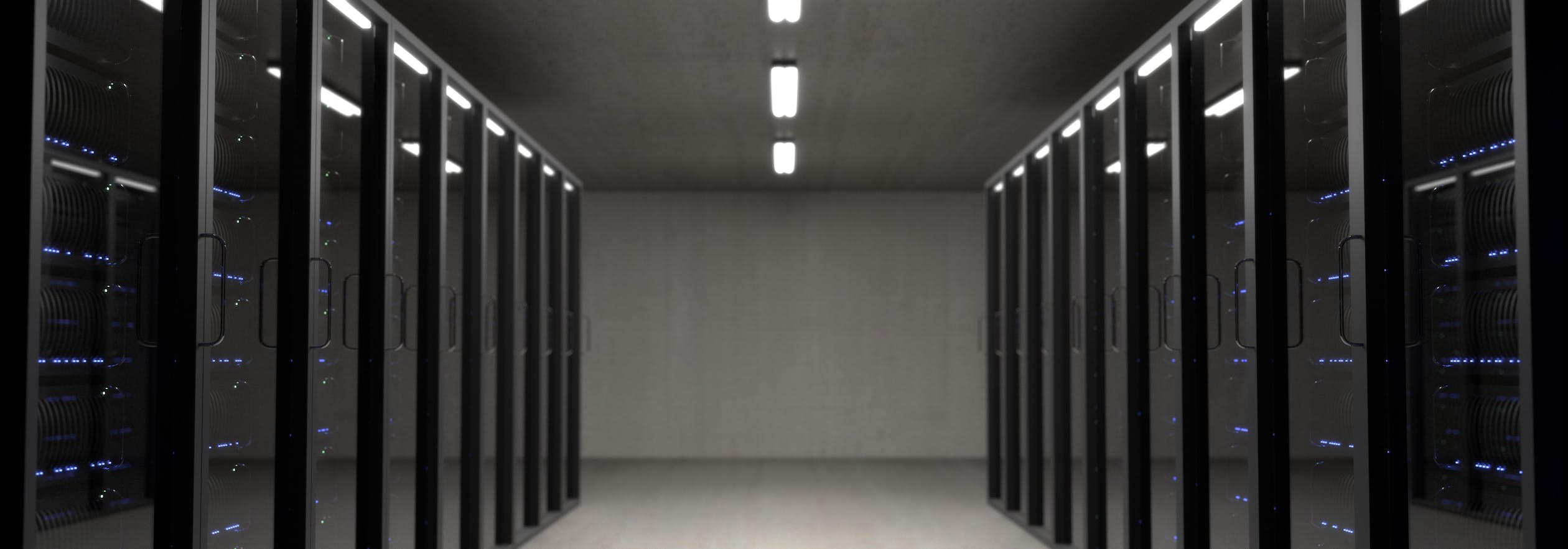
Artificial intelligence is usually described as a software revolution. But behind every AI model, chatbot, search system and automated service is a much more physical layer of technology.
Servers need to process the workload. Networks need to move the data. Storage systems need to hold it. Cooling systems need to keep the hardware operating. And the entire environment needs to remain secure.
That infrastructure story is becoming increasingly important in India.
India's installed data-centre capacity has grown from around 375 MW in 2020 to approximately 1,575 MW today — more than a four-fold increase.
Why Data Centres Matter to AI
An AI application may look like a simple website or mobile service to the person using it. Behind that interface, however, thousands of computing operations can be taking place.
As AI workloads become larger and more demanding, organisations require infrastructure capable of handling high-performance computing at scale.
This is why the growth of AI is simultaneously becoming a story about servers, networking, storage, power and cooling.
India Is Building More AI-Ready Infrastructure
India's data-centre expansion is being supported by growing demand for cloud services, digital platforms and artificial intelligence.
According to information released by the Ministry of Electronics and Information Technology, data-centre capacity has expanded substantially since 2020, while new investment is also reaching locations beyond the country's traditional technology hubs.
Mumbai, Navi Mumbai, Chennai, Hyderabad, Bengaluru, Delhi-NCR and Gujarat remain important centres, while other states are also attracting new investment.
A ₹100 Crore AI Infrastructure Order in Navi Mumbai
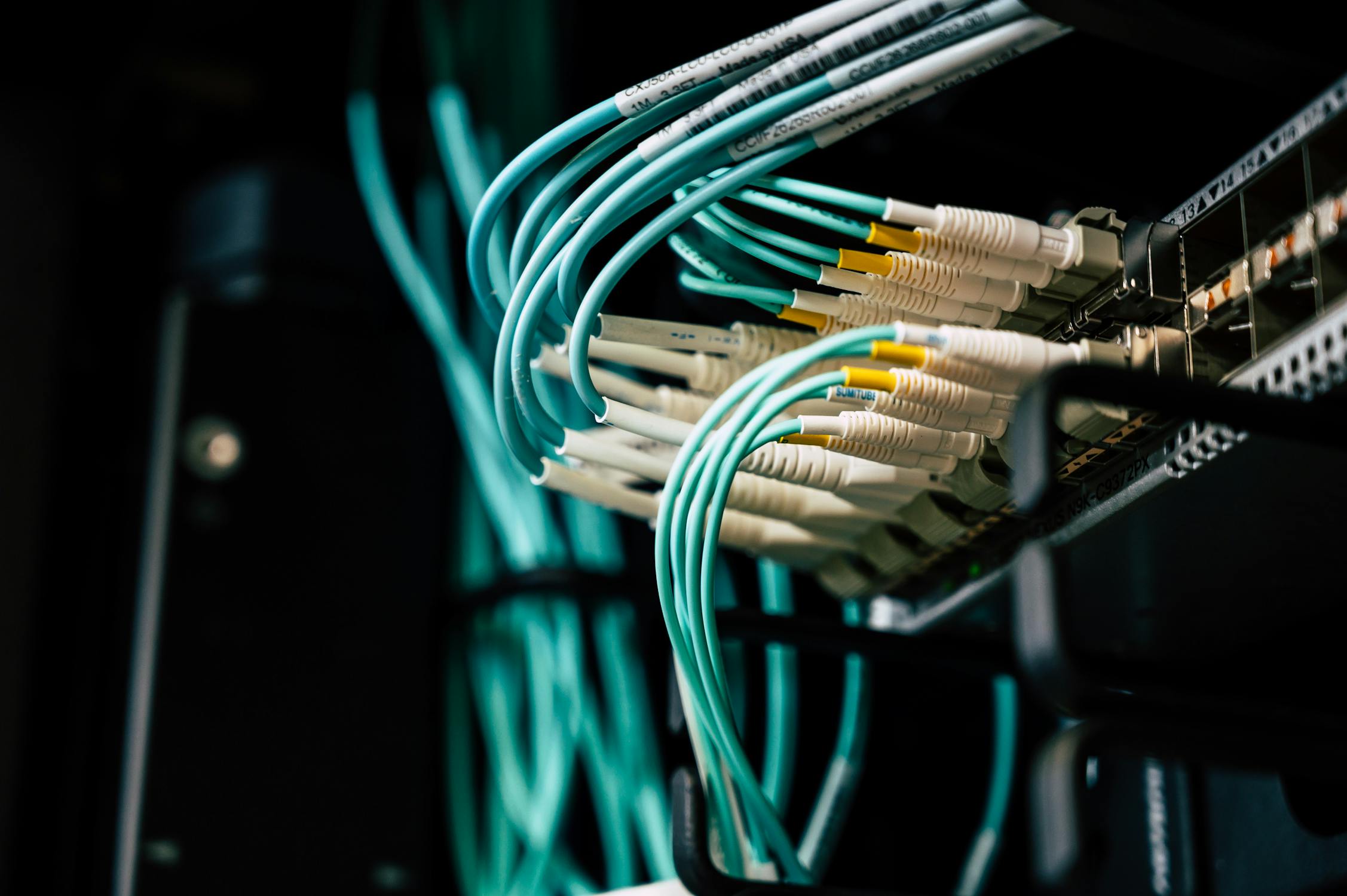
One of today's notable developments is Aurionpro Solutions' announcement of an order valued at close to ₹100 crore from a global hyperscale data-centre operator.
The project involves building and project-managing digital infrastructure for an upcoming AI-ready data centre in Navi Mumbai, Maharashtra.
The development is significant because it demonstrates that AI investment is creating demand beyond software companies. Data-centre engineering, networking, cooling, power systems, physical infrastructure and technology operations all become part of the AI ecosystem.
AI Also Changes the Cybersecurity Equation
More computing infrastructure also means a larger security responsibility.
AI can help security teams analyse large amounts of information, detect unusual behaviour and automate parts of their response. At the same time, attackers can use automation and AI-assisted techniques to increase the speed and scale of attacks.
This makes security an infrastructure requirement rather than something added at the end of a project.
Protect the complete technology chain — identity, endpoints, applications, APIs, networks, cloud infrastructure, data and AI systems.
What This Means for IT Professionals
The changing infrastructure landscape is also changing the skills technology professionals need.
Developers increasingly interact with cloud services, APIs, authentication systems and deployment platforms.
Infrastructure professionals are working with automation, monitoring, networking, cloud platforms and security.
Cybersecurity professionals increasingly need to understand cloud environments, AI systems and automated attack techniques.
The boundaries between these fields are becoming smaller.
The Development Workspace Is Changing Too
There is another interesting consequence of this shift: the way developers work is changing.
Modern development increasingly involves an editor, project files, commands, runtime environments, testing, previews and AI assistance.
Instead of treating each tool as a completely separate environment, development platforms are moving toward connected workflows.
This is the thinking behind projects such as WEBZONE-STUDIO: bringing the project, editor, commands, runtime and AI assistance closer together while keeping the developer in control.
The Bigger Picture
The AI race is no longer only about who builds the most capable model.
It is also about who can build, operate and secure the infrastructure required to make those models useful at scale.
India's growing data-centre capacity shows that this transition is already moving from software concepts into real infrastructure.
What Comes Next?
AI will continue to increase demand for computing power, connectivity and specialised infrastructure.
That creates opportunities not only for AI developers, but also for network engineers, cloud specialists, system administrators, cybersecurity professionals, data-centre engineers and technology support teams.
Understanding how these layers connect may become just as valuable as knowing how to operate any individual technology.
- Ministry of Electronics & Information Technology — India's expanding data-centre and AI infrastructure.
- Aurionpro Solutions — AI-ready data-centre project in Navi Mumbai.
- Pexels — server and data-centre photography used for the article visuals.